
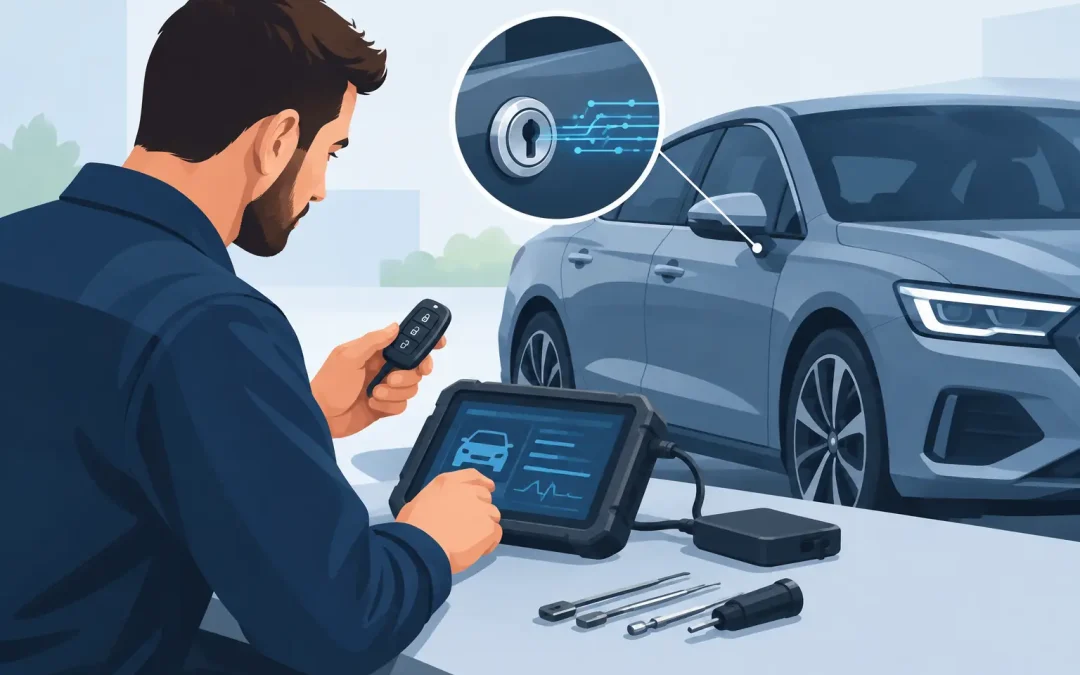
You have lost every key, the remote has failed, or the physical blade will not turn in the door. In that moment, one question often comes up: can locksmiths decode locks and make a working key without damaging the vehicle? For many cars and vans, the answer is yes, but the method depends on the vehicle, the condition of its locks, and proof that you are entitled to access it.
Vehicle lock decoding is a legitimate specialist process used to identify the cuts needed on a mechanical key. It is not guesswork, and it is not the same as defeating a vehicle’s immobilizer. A professional automotive locksmith uses the appropriate tools, vehicle information, and security checks to provide no-damage entry or create a replacement key where possible.
Can Locksmiths Decode Locks Without Damage?
In many cases, an experienced automotive locksmith can read or decode a vehicle door lock without drilling it, forcing it, or replacing it unnecessarily. The goal is to determine the lock’s internal positions and use that information to cut a correctly matched key blade.
This can be especially useful when all keys are lost. Rather than removing parts or causing damage to the door, a locksmith may be able to gain entry non-destructively, decode the lock, cut a key, and then program its transponder chip or remote so the vehicle can start.
However, decoding is not the right answer for every job. A badly worn lock, a damaged ignition, a lock that has already been forced, or a vehicle with a missing or replaced door lock may need a different approach. Good locksmith work starts with assessing the vehicle rather than promising one method for every make and model.
What Decoding a Vehicle Lock Actually Means
Most vehicle keys have two separate jobs. The metal blade operates the physical locks and, on many models, the ignition. The electronic transponder or remote communicates with the vehicle’s immobilizer system.
Decoding deals with the mechanical side. A locksmith may read the wafer positions inside the door lock, use an approved key code source where available, or obtain the key-cutting information through vehicle-specific procedures. That information allows a correctly cut key to be produced.
Programming is a separate step. Even a perfectly cut metal key may not start a modern car or van until its transponder is programmed to the vehicle. This is why a basic hardware-store copy is often not enough after all keys have been lost. The blade may fit, but the vehicle security system will not recognize the chip.
For remote keys, smart keys, and proximity fobs, the process can involve additional diagnostic equipment. A specialist mobile locksmith carries the tools needed to cut the blade and program the electronics at the vehicle, saving the inconvenience of arranging recovery to a dealership.
A Door Lock Is Not Always the Same as the Ignition
On older vehicles, the door lock and ignition commonly use the same key pattern. On newer cars, that is still often true, but not always. A previous repair, a replacement lock, or damage from a break-in can mean the door lock does not match the ignition.
That does not automatically stop the job, but it can change the solution. The locksmith may need to obtain key information another way, repair or replace a faulty ignition lock, or provide a key that works electronically while explaining any difference in the mechanical locks. Clear advice matters here. You should know what your replacement key will operate before work begins.
When Lock Decoding Is Useful
Decoding is particularly helpful when a driver has no working key to copy. Common situations include a lost car key, a van key that has gone missing during a busy workday, a snapped blade, or a remote that has stopped working and has no usable emergency key.
It can also help when you need a spare key but only have a worn original. Copying a heavily worn key can reproduce its wear and lead to a poor fit. Reading the lock or using reliable key data may allow a new key to be cut to the correct specification instead.
For tradespeople and van owners, the practical benefit is downtime. Being locked out of a work vehicle or unable to start it can mean missed appointments, lost tools, and a disrupted day. A mobile automotive locksmith can often deal with entry, key cutting, and programming where the van is parked, whether that is at home, at work, or on a job site.
Proof of Ownership Comes First
A reputable locksmith will not decode a lock or make a vehicle key for someone who cannot show they have the right to access the vehicle. This protects vehicle owners and helps prevent key services from being misused.
Be prepared to show photo identification and documentation connecting you to the vehicle. The exact documents can vary by situation, but registration details, insurance information, lease paperwork, or company authorization can help. If documents are locked inside the car, explain this upfront. A professional can advise on the appropriate verification process.
This should reassure you, not inconvenience you. The same checks that may feel like an extra step are there to protect your vehicle from unauthorized access.
Why DIY Decoding Is a Bad Bet
Videos and inexpensive tools can make vehicle lock decoding look simple. In reality, modern vehicle locks are precise, and a mistake can turn a key problem into a lock replacement problem. Picking or forcing the wrong way may damage wafers, springs, weather seals, or the lock housing. Attempting to remove trim can also create costly damage to door panels, clips, wiring, or airbags.
There is also the electronic side to consider. Incorrect programming attempts can leave you with a key that turns but will not start the vehicle. On some models, repeated failed attempts may create further security or synchronization issues.
A professional locksmith is not just providing a key. They are choosing a method designed to preserve the vehicle, checking that the key operates correctly, and confirming that the immobilizer and remote functions work as expected. That is particularly valuable with high-security van locks and vehicles that use advanced transponder systems.
What to Expect From a Mobile Automotive Locksmith
A proper callout should begin with a few practical questions: the vehicle make, model, year, registration details, the type of key you had, and whether any key is still available. These details help the locksmith bring the correct blades, remotes, programmers, and lock tools.
Once on site, the locksmith should verify ownership, inspect the situation, and explain the likely options. If the keys are locked inside, non-destructive entry may be all that is needed. If every key is lost, the work may include gaining entry, decoding or obtaining the mechanical key data, cutting a blade, programming a transponder or remote, and testing the finished key.
The time and cost depend on the vehicle. A straightforward duplicate key is very different from an all-keys-lost smart key for a newer vehicle. Some parts may need ordering, and certain manufacturers have additional security procedures. A trustworthy specialist will set realistic expectations rather than offering a one-size-fits-all promise.
A Spare Key Is Usually the Cheaper Solution
If you still have one working key, getting a spare made now is usually easier and less expensive than replacing every key after a loss. It also gives you a backup if a remote fails, a key is damaged, or one driver in the household needs access while another has the original.
For businesses with vans, a spare should be stored safely away from the vehicle, not hidden inside it. Consider who needs access, whether the key includes remote locking, and whether a basic emergency key would be useful as a backup. A key that is tested before an emergency is a far better option than being stranded when time matters.
If your vehicle key is lost, damaged, or locked inside, avoid forcing the lock or breaking a window. Keep your identification ready, explain what has happened, and let a qualified automotive locksmith assess the safest route back into your vehicle.

Recent Comments