
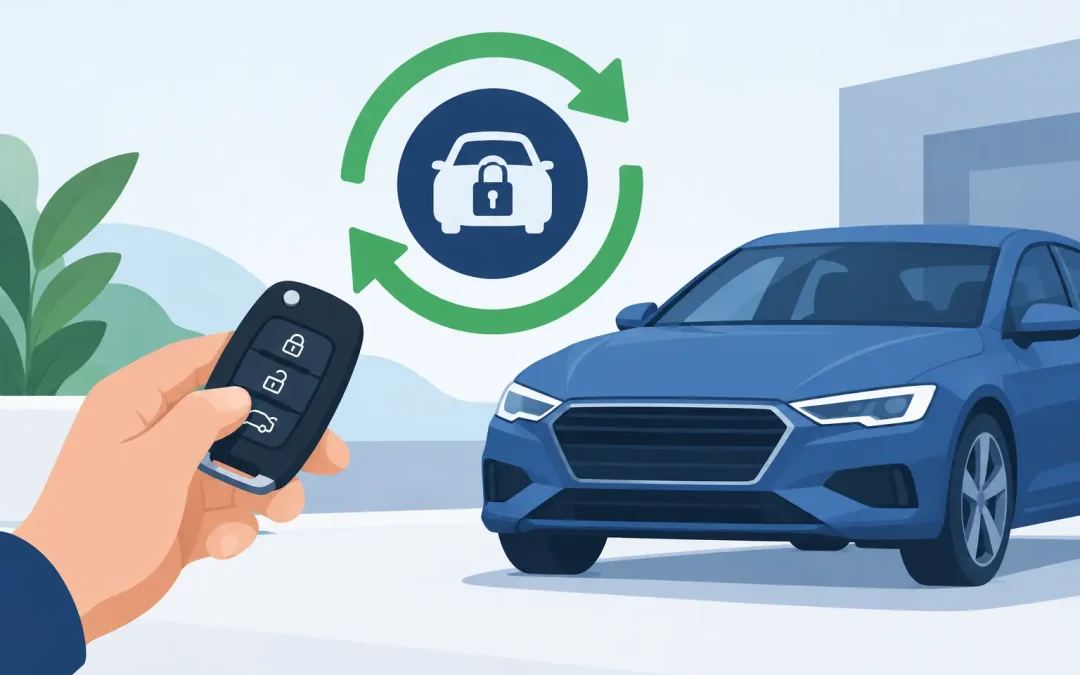
If your engine turns over but will not start, or an immobiliser warning appears on the dash, it is tempting to search for how to reset car immobiliser systems and try anything that might get you moving. Start carefully. An immobiliser is designed to stop the vehicle from starting without a recognized key, so a failed reset is often a sign of a key, battery, antenna, lock, or programming fault that needs proper diagnosis.
The good news is that some simple checks are safe to try at home. The key is knowing where to stop. Repeatedly forcing the issue, using unverified online “bypass” methods, or fitting a cheap unprogrammed key can turn a straightforward job into a more expensive one.
What the car immobiliser is actually doing
Most modern cars and vans have a small transponder chip inside the key or remote. When you turn the ignition on or press the start button, the vehicle reads that chip and checks it against the codes stored in its security system. If the code matches, the engine is allowed to start. If it does not, the vehicle may crank without firing, start and immediately cut out, or show a key, security, or immobiliser light.
A remote button battery and the transponder are not always the same thing. On many vehicles, a flat remote battery can stop the doors from locking or unlocking remotely but will not stop the chip from being read. On keyless vehicles, however, a weak fob battery can prevent the car from detecting the key properly. The exact behavior depends on the make, model, and year.
Safe checks before you try to reset a car immobiliser
Before assuming the immobiliser has failed, rule out the simple causes. Use the correct key for the vehicle and make sure it is not bent, split, water-damaged, or badly worn. If you have a spare key, try it once. A spare that starts the car points strongly to a fault with the everyday key rather than the vehicle itself.
Check the vehicle battery as well. A weak or failing car battery can cause low-voltage warning lights and communication faults between electronic modules. If the dashboard is dim, the starter sounds sluggish, or other electrical functions are behaving oddly, charge or test the vehicle battery first. Do not confuse a low battery problem with a lost-key programming problem.
For a keyless car, hold the fob against the marked backup starting point if your owner’s manual identifies one. This is often near the start button, steering column, or center console. It allows the vehicle to read the key at close range when the fob battery is weak. Replace the fob battery with the correct type and fit it the right way around.
If your vehicle uses a conventional ignition key, remove any large bunch of keys or electronic devices from the key ring. This is not a common cause, but interference or extra weight around a worn ignition can occasionally make an existing problem more noticeable.
A sensible immobiliser reset sequence
There is no single reset procedure that works on every vehicle. The safest approach is a calm, limited sequence that gives the system a chance to recognize the key again without interfering with the vehicle’s security programming.
First, get out of the vehicle, close all doors, and lock it using the key or remote. Wait for a few minutes, then unlock the vehicle and try starting it with the key you normally use. If it starts, do not assume the issue has disappeared forever. Make arrangements to have the key checked, particularly if it has been dropped, exposed to water, or has worked intermittently.
If the remote has stopped responding but the key blade still opens the door, unlock the car with the blade and start it using the manufacturer’s normal method. Some vehicles may sound an alarm when opened mechanically, but putting a recognized key in the ignition or using the approved emergency start position should cancel it. Avoid repeatedly locking and unlocking the car for long periods. It rarely reprograms a key and can drain a weak vehicle battery.
On some older models, switching the ignition on and leaving it for a short period may allow the security light to stop flashing before you start the engine. Follow the instructions in your vehicle handbook where available. Do not rely on generic timing tricks from video clips or forums, as incorrect sequences can trigger alarms, flatten batteries, or simply waste valuable time.
When disconnecting the battery is not the answer
Disconnecting the car battery is often suggested as an immobiliser reset. Sometimes a controlled power reset can clear a temporary electronic glitch, but it is not a repair for an unrecognized transponder key. Modern vehicles can lose radio settings, window calibration, clock settings, and stored fault information after power is removed. Some require additional procedures afterward.
More importantly, a battery disconnect can hide the useful evidence needed to diagnose the fault. If an immobiliser warning returns immediately, the system needs to be scanned rather than reset again. If you are unsure, have the vehicle battery tested and the fault codes read before disconnecting anything.
Signs the key needs programming or repair
A key problem is more likely when the engine will not start with one key but starts normally with a spare. It is also likely when the remote works inconsistently, the key casing has come apart, or the vehicle has recently had a replacement battery, ignition lock, instrument cluster, or engine control module fitted.
A damaged transponder chip cannot be fixed by pressing the remote buttons or changing the fob battery. It may need a replacement key, a new chip, or proper programming equipment to add the key to the vehicle. The same applies when all keys have been lost. The vehicle’s security data must be accessed correctly, and any lost keys can often be removed from memory so they cannot be used later.
If the key turns in the ignition but feels loose, sticks, or will not return properly, the fault may be the ignition lock rather than the immobiliser. A worn lock can prevent the ignition from reaching the correct position or create symptoms that look like an electronic failure. Replacing the lock without matching the key and immobiliser system can create a second problem, so it is worth getting the cause confirmed first.
Why professional diagnosis saves time
An automotive locksmith can check whether the vehicle is reading the key, inspect the remote and transponder, test the key battery where relevant, and use specialist diagnostic equipment to identify immobiliser-related fault codes. This is more useful than guessing which part to replace.
For many cars and vans, a mobile specialist can cut and program a replacement key at your home, workplace, or roadside location while you wait. That avoids towing the vehicle to a dealership and can be especially valuable when a van is needed for work. A properly programmed key is not just a convenience item – it is part of the vehicle’s security system.
Remote Key Man provides mobile key cutting, transponder programming, replacement remotes, and non-destructive vehicle entry for drivers in Oldbury and the wider West Midlands. If the issue is a faulty ignition lock, damaged key, lost key, or immobiliser programming fault, the aim is to get the right diagnosis and a working solution on site where possible.
Avoid these common mistakes
Do not try to bypass or disable the immobiliser. Aside from undermining the vehicle’s theft protection, improvised wiring and programming attempts can damage control modules and create insurance or resale problems. A legitimate repair restores the system so that it recognizes an authorized key.
Do not buy a blank online key simply because it looks identical. The frequency, transponder type, emergency blade, and programming method must all match the vehicle. Some keys can be programmed only with specialist equipment, and others need security information that a generic key seller cannot provide.
Finally, do not wait until your only working key is intermittent. A spare key costs far less and causes far less disruption than an all-keys-lost situation. If your car has started once after an immobiliser warning, treat that as your opportunity to get the key checked before the next attempted start leaves you stranded.

Recent Comments